
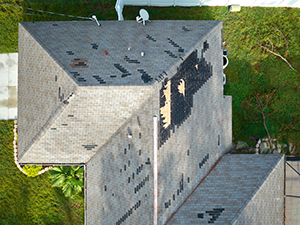
For commercial building owners and HOA managers in Lemon Grove, CA, maintaining roofing systems is essential to protecting property investments and ensuring resident safety. Seasonal HOA roof maintenance allows them to stay ahead of costly repairs, extend roof lifespan, and maintain compliance with local building standards. If your association or commercial property needs dependable support with seasonal upkeep, contact Sully-Jones Roofing at (619) 444-0150 for expert guidance.
Seasonal HOA Roof Maintenance: A Checklist for Every Quarter
Why Seasonal HOA Roof Maintenance Matters
Commercial and multifamily structures demand consistent, scheduled care. Roofs on HOA properties are exposed to sun, wind, humidity, debris, and seasonal fluctuations, each of which can gradually weaken roofing materials. By establishing a quarterly maintenance plan, HOAs reduce long-term repair expenses, minimize emergency leaks, and maintain the structural integrity that residents expect.
Below is a quarterly checklist designed to help HOA boards and property managers streamline roof maintenance and ensure year-round protection.
Quarter 1: Winter-to-Spring Transition Checklist
Inspect for Storm Damage

Winter in Southern California may be mild compared to other regions, but storms still bring wind and moisture that can loosen shingles, tiles, and flashing. Have a licensed roofing professional inspect for cracked tiles, missing shingles, and damaged vents.
Clean Gutters and Downspouts
Winter debris buildup can prevent proper drainage during early spring rains. Clogged gutters can cause water to back up under roofing materials, leading to leaks inside units.
Assess Roof Penetrations
Commercial buildings often have multiple penetrations, HVAC units, exhaust vents, skylights. These areas are prone to early wear. Ensuring seals and flashing are intact avoids water intrusion as the weather warms.
Check for Mold or Moisture Spots
This is especially important for flat or low-slope roofs, which are common on HOA buildings. Any sign of pooling water, damp insulation, or mold indicates drainage issues that must be addressed promptly.
Quarter 2: Preparing for Summer Heat
Evaluate UV Damage
Summer in Lemon Grove, CA brings intense sunlight. UV rays can dry out roofing membranes and cause premature aging. A professional UV exposure assessment helps determine whether coatings or surface treatments are needed.
Inspect Roof Coatings and Sealants
Commercial properties with flat roofs often depend on reflective coatings to regulate temperature. Reapplying protective coatings before peak heat can lower energy costs and improve roof longevity.
Clear Debris from Surrounding Areas
As plant growth increases in spring, branches and leaves may accumulate on roofs or rub against surfaces. Trimming back vegetation prevents physical damage and pest activity.
Review Drainage Systems
Summer storms are rare but intense when they occur. Ensuring drains and scuppers are unobstructed helps prevent sudden pooling during a downpour.
Quarter 3: Mid-Summer to Early Fall Maintenance
Scan for Heat Fatigue
High temperatures can cause blistering, cracking, and material shrinkage. This is common in older roofing systems or areas with inadequate ventilation.
Inspect Rooftop Equipment
Commercial buildings often experience increased cooling demands during summer. HVAC foot traffic and equipment shifts can crack roofing surfaces. Quarterly checks help catch mechanical damage early.
Verify Attic and Roof Ventilation
Proper ventilation keeps roofing materials from overheating. It also prevents moisture buildup that can lead to mold or wood rot.
Schedule Minor Repairs Before Fall
Fall is the ideal time to address minor issues before cooler temperatures and winter moisture arrive. Tackling repairs early keeps budgets on track and avoids emergency calls.
Quarter 4: Pre-Winter Preparation
Conduct a Full Professional Roof Inspection
Fall debris, particularly leaves and dirt, can clog drains and create water retention issues. A comprehensive inspection ensures everything is clear and structurally sound before winter.
Reinforce Flashing and Sealant
These areas expand and contract with temperature shifts. Reapplying sealants in progress prevent leaks during colder, wetter days.
Confirm Structural Stability
Check parapet walls, rooftop walkways, and access points. These areas often degrade faster on commercial buildings due to foot traffic and exposure.
Update Your Annual Maintenance Log
HOA boards benefit from detailed records of repairs, inspections, and material replacements. This improves budgeting and long-term planning.
HOA Roof Maintenance Experts
Seasonal maintenance protects your roofing investment, reduces emergency repair costs, and ensures your residents remain safe and comfortable all year long. If you manage a commercial property or HOA in Lemon Grove, CA, stay proactive and partner with professionals who understand local conditions. For dependable, knowledgeable HOA Roof Maintenance service, contact Sully-Jones Roofing at (619) 444-0150 today.
FAQ
What are common signs of roof deterioration on HOA buildings?
Cracked tiles, blistering membranes, loose flashing, clogged drains, and visible water stains inside units are typical indicators.
Are flat roofs on commercial properties more vulnerable to seasonal changes?
Yes. Flat roofs experience more pooling, debris accumulation, and UV exposure, making seasonal maintenance essential.
How does seasonal maintenance benefit HOA budgets?
Regular upkeep minimizes emergency repairs, extends lifespan, and allows predictable budgeting rather than sudden large expenses.
What should HOA boards look for when choosing a roofing contractor?
Look for licensing, commercial roofing experience, strong local references, transparent reporting, and clear communication.