
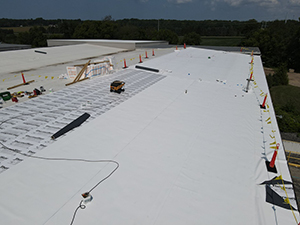
 For commercial building owners in La Mesa, CA, managing indoor temperatures is a constant challenge, especially during long, hot seasons when cooling costs can rise quickly. One roofing system that has gained significant attention for its energy-saving benefits is TPO roofing. Designed with heat reflection and efficiency in mind, it plays a meaningful role in reducing cooling demands for commercial properties. If you’re considering energy-conscious roofing solutions in La Mesa, CA, speaking with a knowledgeable team from Sully-Jones Roofing at 619-444-0150 can help you explore whether TPO is the right fit for your building.
How TPO Roofing Helps Lower Cooling Costs in Commercial Buildings
At its core, TPO roofing is engineered to limit how much heat a building absorbs. This quality directly impacts indoor comfort and energy usage.
Highly Reflective Surface
TPO membranes are typically white or light-colored, allowing them to reflect a large percentage of the sun’s rays. Instead of absorbing heat like darker roofing systems, TPO roofing sends much of that solar energy back into the atmosphere. This reflection helps keep roof surfaces cooler throughout the day.

Lower Roof Surface Temperatures
When a roof stays cooler, less heat transfers into the building below. This means air conditioning systems don’t have to work as hard to maintain comfortable indoor temperatures, which can lead to noticeable reductions in cooling costs.
Consistency Across Large Roof Areas
Commercial buildings often have expansive, flat or low-slope roofs. TPO roofing performs especially well on these surfaces, delivering consistent thermal performance across the entire structure.
By minimizing heat absorption at the roof level, this roofing material helps create a more stable indoor environment.
The Impact on HVAC Efficiency
Cooling systems represent one of the largest energy expenses for commercial properties. TPO roofing supports HVAC efficiency in several important ways.
Reduced Cooling Load
Because less heat enters the building, HVAC systems operate under lower demand. This can lead to shorter run times and reduced strain on mechanical components.
More Even Indoor Temperatures
Excessive roof heat can create hot spots, particularly in top-floor areas. TPO roofing helps maintain more even temperatures throughout the building, improving comfort for occupants and reducing the need for localized cooling adjustments.
Extended HVAC Lifespan
When HVAC equipment doesn’t have to compensate for excessive roof heat, it experiences less wear over time. This can help extend the lifespan of cooling systems and delay costly replacements.
For commercial building owners focused on long-term operational savings, the relationship between TPO roofing and HVAC performance is a major advantage.
Why TPO Roofing Makes Sense for La Mesa’s Climate
Climate plays a significant role in determining how effective a roofing system will be. In regions like La Mesa, CA, where sunshine and warm temperatures are common, TPO roofing aligns well with environmental demands.
Performance During Peak Heat
This type of roofing is particularly effective during the hottest parts of the day, when cooling costs typically spike. Its reflective properties help prevent heat buildup precisely when it matters most.
Durability Under UV Exposure
Extended exposure to sunlight can degrade some roofing materials over time. TPO membranes are designed to resist UV damage, helping them maintain reflective performance year after year.
Energy Efficiency Without Added Complexity
Unlike some energy-saving solutions that require additional equipment or system upgrades, TPO roofing delivers efficiency benefits simply through its material properties and installation.
These characteristics make this roofing type a practical choice for commercial buildings aiming to manage cooling expenses in sun-heavy climates.
Considering TPO Roofing as a Long-Term Energy Strategy
While upfront costs are always a consideration, many building owners view TPO roofing as part of a broader energy management strategy. Lower cooling costs can contribute to improved operating budgets, while enhanced indoor comfort supports productivity and tenant satisfaction.
TPO roofing also aligns well with sustainability goals by reducing overall energy consumption. For businesses looking to balance performance, durability, and efficiency, this roofing system offers a strong combination of benefits without unnecessary complexity.
TPO Roofing Professionals
Proper installation is critical to ensuring that TPO roofing delivers its full cooling benefits. Seams, insulation, and drainage details all affect how well the system performs over time.
In La Mesa, CA, commercial building owners can rely on experienced professionals like Sully-Jones Roofing to provide guidance based on building design, usage, and climate considerations. To learn more about how TPO roofing can help lower cooling costs for your property, contact 619-444-0150 and discuss your options with a knowledgeable team.
FAQ
How does TPO roof reduce cooling costs?
It reflects sunlight and reduces heat absorption, lowering indoor temperatures and decreasing HVAC workload.
Is TPO roofsuitable for large commercial buildings?
Yes, it performs well on large, flat or low-slope roofs common in commercial construction.
Does TPO roof work well in sunny climates?
Absolutely. Its UV-resistant and reflective properties make it ideal for areas with high sun exposure.
Can TPO roofing improve occupant comfort?
Yes, by reducing heat transfer, it helps maintain more consistent indoor temperatures throughout the building.